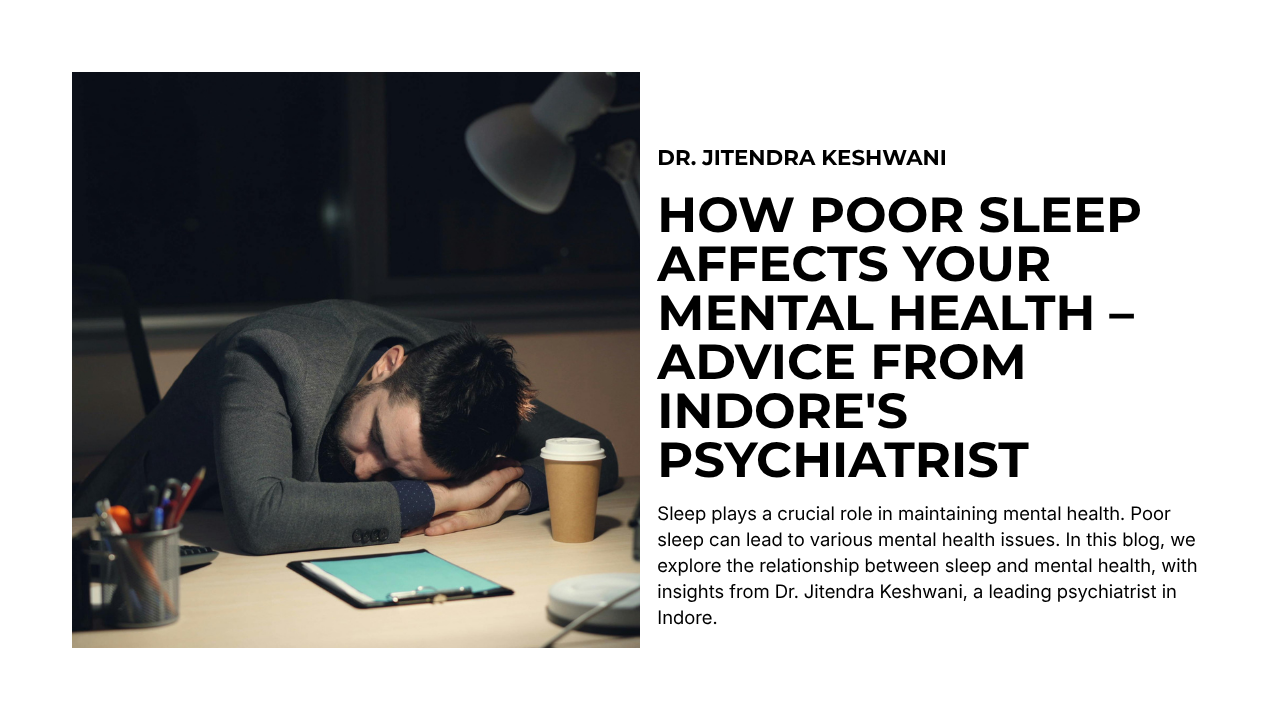
Understanding the Connection Between Sleep and Mental Health
Quality sleep is essential for maintaining overall health and well-being, yet many individuals overlook its importance. Research has shown that poor sleep can significantly impact mental health, leading to various psychological issues. Dr. Jitendra Keshwani, a respected psychiatrist based in Indore, emphasizes the importance of sleep and its direct correlation with mental health conditions.
The Impact of Sleep on Mental Health
Sleep affects the brain’s ability to function optimally. Here are some key areas where poor sleep can influence mental health:
- Increased Anxiety: Lack of sleep can lead to heightened levels of anxiety. Individuals may find it challenging to manage stress and may experience racing thoughts.
- Depression: There is a strong link between sleep disturbances and depression. Insufficient rest can exacerbate depressive symptoms, making it harder for individuals to cope with daily challenges.
- Impaired Cognitive Function: Sleep deprivation affects concentration, decision-making, and problem-solving abilities. This can hinder productivity and lead to frustration.
- Emotional Regulation: A good night's sleep helps regulate emotions. Poor sleep may lead to mood swings and irritability, impacting relationships and overall quality of life.
The Science Behind Sleep and Mental Health
According to Dr. Keshwani, the body undergoes essential restorative processes during sleep, including the consolidation of memories and the regulation of neurotransmitters. When individuals experience poor sleep, these processes are disrupted, leading to a decline in mental health.
Studies indicate that individuals with sleep disorders, such as insomnia or sleep apnea, are at a higher risk of developing anxiety and depression. Furthermore, those already suffering from mental health issues often report sleep disturbances, creating a vicious cycle that can be difficult to break.
Tips for Improving Sleep Quality
Improving sleep quality is vital for enhancing mental health. Here are some practical tips recommended by Dr. Keshwani:
- Establish a Sleep Routine: Going to bed and waking up at the same time every day helps regulate the body’s internal clock.
- Create a Relaxing Sleep Environment: Ensure your bedroom is conducive to sleep by keeping it dark, quiet, and cool.
- Limit Screen Time: Reduce exposure to screens before bedtime, as blue light can interfere with the body’s ability to produce melatonin, a hormone that regulates sleep.
- Avoid Stimulants: Limit caffeine and nicotine intake, especially in the hours leading up to bedtime.
- Engage in Physical Activity: Regular exercise can help improve sleep quality, but try to avoid vigorous activity close to bedtime.
- Practice Relaxation Techniques: Consider mindfulness, meditation, or deep breathing exercises to calm the mind before sleep.
Seeking Professional Help
If poor sleep persists despite making lifestyle changes, it may be time to consult a mental health professional. Dr. Keshwani's Mind Care Clinic in Indore offers comprehensive psychiatric services, including evaluations for sleep disorders.
With over 14 years of experience, Dr. Keshwani provides tailored treatment plans to address both sleep issues and underlying mental health conditions. Whether through in-clinic or online consultations, the clinic aims to support individuals in achieving optimal mental well-being.
Conclusion
In conclusion, the relationship between sleep and mental health is undeniable. Prioritizing good sleep hygiene can lead to significant improvements in emotional well-being and overall health. If you or someone you know is struggling with sleep-related issues, do not hesitate to reach out to Dr. Keshwani at +91 7880067789 or visit Dr. Keshwani's Mind Care Clinic for expert guidance and support. Remember, taking care of your mental health starts with good sleep.