Introduction
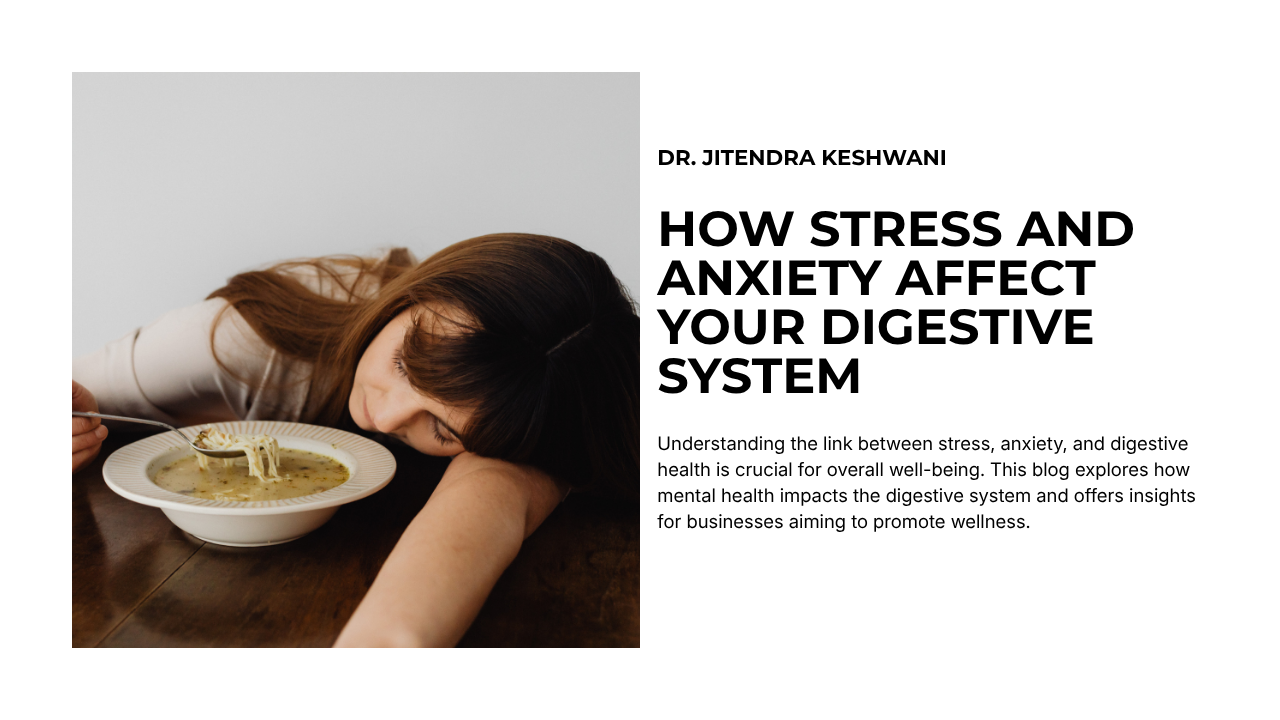
In our fast-paced world, stress and anxiety have become common experiences for many. While we often consider the mental and emotional toll of these feelings, their impact on physical health—especially on the digestive system—can be profound. Understanding this connection is vital, not only for individuals seeking to improve their well-being but also for businesses that aim to promote holistic health solutions.
The Gut-Brain Connection
The relationship between the brain and the gut is complex and intimate, known as the gut-brain axis. This connection means that what happens in the brain can significantly affect gastrointestinal (GI) function and vice versa. Stress and anxiety can disrupt this balance, leading to various digestive issues.
How Stress Affects Digestion
When a person experiences stress, the body enters a state of fight-or-flight. This response triggers the release of hormones such as cortisol and adrenaline, which prepare the body to react to perceived threats. However, this reaction can inhibit digestive functions, leading to:
- Decreased Digestive Enzyme Production: Stress can reduce the secretion of enzymes necessary for breaking down food, resulting in poor digestion.
- Increased Gastrointestinal Motility: Anxiety can lead to faster movement through the GI tract, causing diarrhea or irritable bowel syndrome (IBS).
- Reduced Blood Flow: Stress diverts blood away from the digestive system, impairing its ability to function effectively.
Anxiety and Its Digestive Effects
Anxiety not only magnifies stress responses but can also create a vicious cycle for those with pre-existing digestive conditions. Symptoms such as nausea, bloating, and abdominal discomfort are common among individuals with anxiety. The following aspects highlight this connection:
- Hypervigilance: Individuals with anxiety may become overly aware of their bodily sensations, leading to heightened feelings of discomfort and exacerbation of symptoms.
- Food Aversion: Anxiety can lead to changes in eating habits, such as avoidance of certain foods, which can further impact nutrition and digestive health.
- Gastroesophageal Reflux Disease (GERD): Anxiety can exacerbate GERD symptoms, as stress can increase stomach acid production.
Common Digestive Disorders Linked to Stress and Anxiety
Several digestive disorders have been linked to stress and anxiety, including:
- Irritable Bowel Syndrome (IBS): A functional GI disorder characterized by abdominal pain, bloating, and changes in bowel habits. Stress is a known trigger for IBS flare-ups.
- Gastroesophageal Reflux Disease (GERD): Chronic acid reflux can worsen with stress, leading to significant discomfort and complications.
- Peptic Ulcers: Stress may exacerbate ulcer symptoms, although it is not the sole cause. Anxiety can increase the frequency of symptoms.
Strategies for Managing Stress and Anxiety to Improve Digestive Health
Managing stress and anxiety is essential for maintaining a healthy digestive system. Here are some strategies that can help:
- Mindfulness and Meditation: Practices such as mindfulness meditation can help reduce anxiety levels, promoting relaxation and improved digestive function.
- Regular Exercise: Physical activity is a powerful stress reliever. It helps regulate hormones and improves gut health.
- Balanced Nutrition: Consuming a diet rich in fiber, probiotics, and whole foods can support digestive health and mitigate symptoms associated with stress.
How Businesses Can Promote Digestive Health
For businesses, particularly those in the health and wellness sector, understanding the interplay between mental health and digestion can provide opportunities to better serve clients. Here are some ways to promote this awareness:
- Educational Workshops: Hosting workshops on stress management and digestive health can empower clients with knowledge and coping strategies.
- Holistic Health Programs: Offering programs that integrate mental wellness and dietary guidance can help clients improve their overall health.
- Partnerships with Mental Health Professionals: Collaborating with professionals like Dr. Keshwani's Mind Care Clinic can enhance credibility and extend resources for clients struggling with stress and anxiety.
Conclusion
Understanding how stress and anxiety affect the digestive system is crucial for both individuals and businesses in the health sector. By promoting awareness and offering comprehensive solutions that address both mental and physical health, businesses can play a significant role in improving the well-being of their clients. At Dr. Keshwani's Mind Care Clinic, we believe in a holistic approach to mental health, providing evidence-based care that empowers individuals to enhance their overall quality of life. For those in need of support, our clinic offers tailored solutions to address both mental health challenges and their physical manifestations.