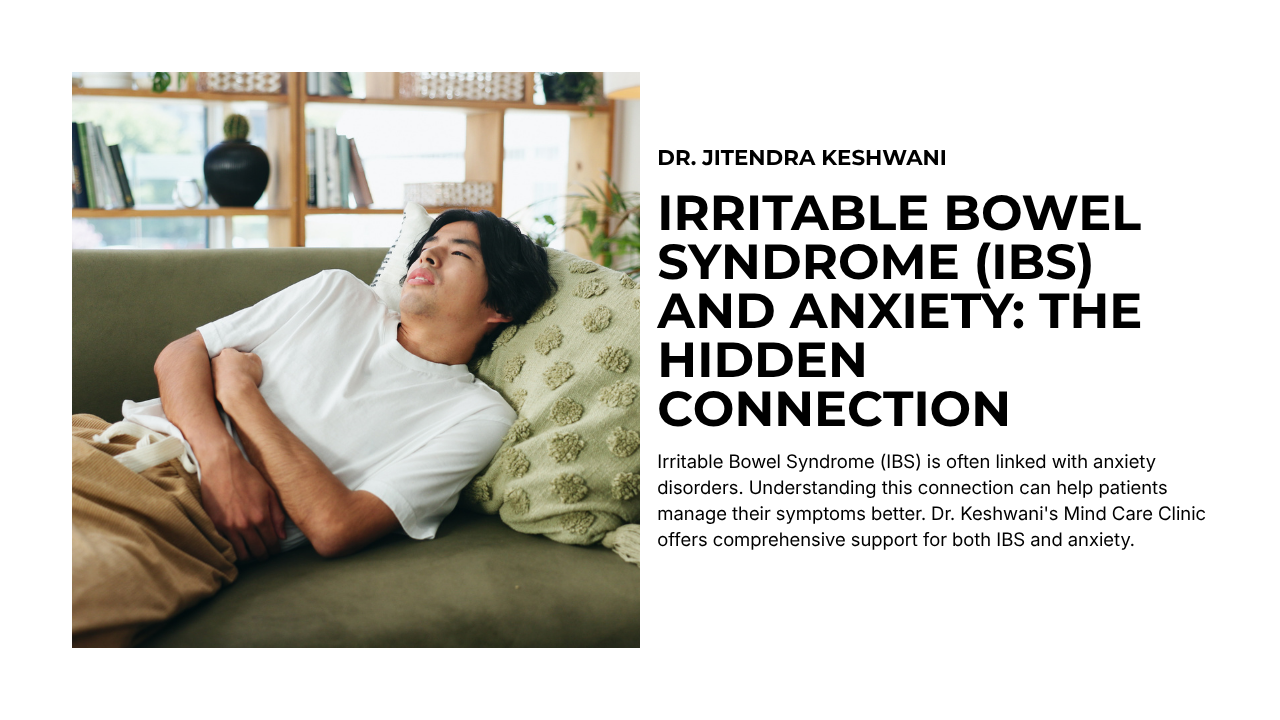
The Connection Between IBS and Anxiety
Irritable Bowel Syndrome (IBS) is a common gastrointestinal disorder that affects millions worldwide. It is characterized by symptoms such as abdominal pain, bloating, gas, and diarrhea or constipation. Surprisingly, a significant number of individuals with IBS also experience anxiety. This blog will explore the hidden connection between IBS and anxiety, helping to shed light on the intertwined nature of these conditions.
Understanding IBS
IBS is a functional gastrointestinal disorder, meaning it affects how the gut functions without any observable structural abnormalities. Patients often face significant discomfort, which can greatly affect their quality of life. While the exact cause of IBS remains unclear, it is believed to involve a combination of factors, including:
- Gut Motility Issues: Abnormal contractions of the intestinal muscles can lead to diarrhea or constipation.
- Sensitivity to Pain: IBS patients often have a heightened sensitivity to pain in the gut.
- Gut-Brain Axis: The relationship between the gut and the brain significantly influences digestive health.
How Anxiety Affects IBS
Anxiety can exacerbate IBS symptoms. When a person experiences anxiety, the body goes into a state of heightened alertness, which can disrupt normal digestive function. Stress hormones can affect gut motility, leading to increased abdominal pain and changes in bowel habits. Some common ways in which anxiety affects IBS include:
- Increased Gut Sensitivity: Anxiety can heighten sensitivity to abdominal pain and discomfort.
- Altered Gut Motility: Stress can either speed up or slow down digestion, leading to diarrhea or constipation.
- Dietary Changes: Anxiety may lead individuals to change their eating habits, which can worsen IBS symptoms.
IBS as a Trigger for Anxiety
Conversely, living with a chronic condition like IBS can also contribute to the development of anxiety. The fear of experiencing IBS symptoms in social situations can lead to avoidance behaviors, resulting in social anxiety. Patients may face:
- Embarrassment: Symptoms can cause embarrassment, leading individuals to withdraw from social interactions.
- Fear of Unpredictability: The unpredictable nature of IBS can foster feelings of anxiety.
- Negative Impact on Quality of Life: Chronic discomfort may lead to anxiety about daily activities.
Managing IBS and Anxiety Together
To effectively manage both IBS and anxiety, a holistic approach is necessary. At Dr. Keshwani's Mind Care Clinic, we emphasize the importance of treating both conditions simultaneously. Some effective management strategies include:
- Psychological Therapies: Cognitive Behavioral Therapy (CBT) and mindfulness-based therapies can help patients manage anxiety and its impact on IBS.
- Medication: In some cases, medications for anxiety may also help alleviate IBS symptoms.
- Dietary Management: Working with a nutritionist to identify trigger foods can be beneficial.
- Stress Management Techniques: Techniques such as yoga, meditation, and deep-breathing exercises can help reduce anxiety.
Seeking Professional Help
If you or a loved one is struggling with IBS and anxiety, seeking professional help can be a valuable step. The team at Dr. Keshwani's Mind Care Clinic specializes in treating both conditions and offers personalized treatment plans. Our clinic provides:
- In-Clinic and Online Consultations: Flexible consultation options to suit your needs.
- Comprehensive Assessment: A thorough evaluation to identify the root causes of your symptoms.
- Holistic Care: We focus on treating the whole person, not just the symptoms.
Conclusion
The connection between IBS and anxiety is complex but increasingly recognized in the medical community. Understanding this relationship can empower patients to seek appropriate treatment and improve their quality of life. At Dr. Keshwani's Mind Care Clinic, we are dedicated to providing comprehensive care for individuals facing the challenges of IBS and anxiety. If you are in need of support, please don’t hesitate to contact us via email or call us at +91 7880067789.