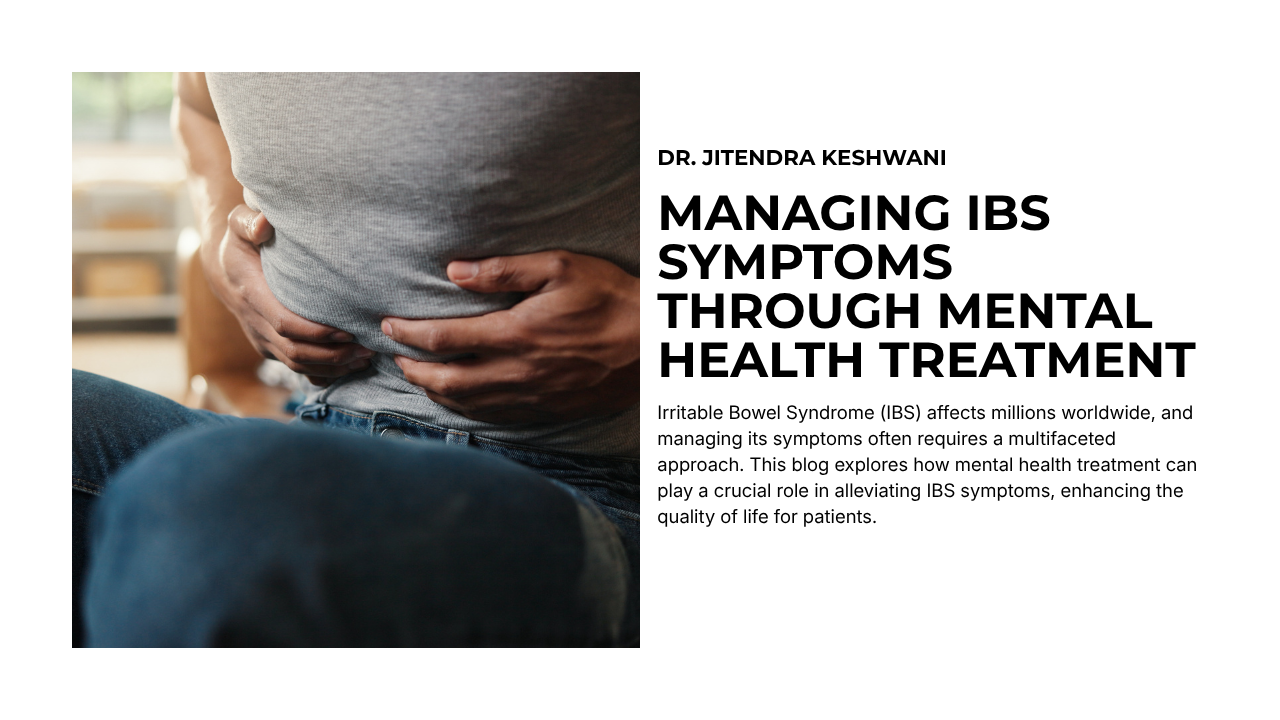
Understanding IBS and Its Symptoms
Irritable Bowel Syndrome (IBS) is a common gastrointestinal disorder that affects the large intestine. Symptoms often include abdominal pain, bloating, gas, and diarrhea or constipation. For many, these symptoms can be debilitating, impacting daily activities and overall quality of life.
While the exact cause of IBS is still unclear, it is widely recognized that stress and emotional well-being significantly influence the condition. Thus, managing IBS effectively often requires addressing both physical and mental health aspects.
The Connection Between Mental Health and IBS
Research indicates that individuals with IBS frequently experience psychological issues such as anxiety and depression. The brain-gut connection suggests that stress can exacerbate IBS symptoms, leading to a vicious cycle of discomfort and emotional distress.
For instance, stress can trigger the gut's response, leading to increased sensitivity and heightened pain perception. This interplay emphasizes the importance of a holistic treatment approach that includes mental health support.
Benefits of Mental Health Treatment for IBS
Integrating mental health treatment into IBS management can yield numerous benefits, including:
- Reduced Symptoms: Therapeutic interventions can help alleviate IBS symptoms by addressing underlying psychological factors.
- Improved Coping Strategies: Patients learn effective coping mechanisms to manage stress, which can mitigate IBS flare-ups.
- Enhanced Quality of Life: A focus on mental health can lead to overall improvements in emotional well-being, promoting a better quality of life.
- Empowerment: Mental health treatment encourages individuals to take control of their condition, fostering a proactive approach to health.
Types of Mental Health Treatments for IBS
Several mental health treatment options can be effective in managing IBS symptoms:
Cognitive Behavioral Therapy (CBT)
CBT is a structured, goal-oriented therapy that helps patients identify and change negative thought patterns. This therapy can be particularly beneficial for IBS patients, as it addresses both thoughts and behaviors associated with stress and anxiety.
Mindfulness and Relaxation Techniques
Practices such as mindfulness meditation, yoga, and deep breathing exercises can help reduce stress and promote relaxation. These techniques can empower patients to manage their symptoms effectively by fostering a calm mind.
Psychotherapy
Individual or group therapy can provide a supportive environment for patients to discuss their experiences and feelings regarding IBS. This emotional support can alleviate feelings of isolation and improve coping skills.
How Dr. Keshwani's Mind Care Clinic Can Help
At Dr. Keshwani's Mind Care Clinic, we understand the intricate relationship between mental health and IBS. Led by Dr. Jitendra Keshwani, our clinic offers comprehensive neuro-psychiatric evaluation and treatment tailored to each patient's needs.
Our team specializes in holistic, evidence-based psychiatric care that encompasses various treatment modalities, ensuring that both mental and physical health aspects are addressed. We offer:
- Individualized treatment plans
- Online tele-consultation for convenience
- Supportive counseling and therapy
If you're struggling with IBS symptoms and are looking for an integrated approach to treatment, we invite you to reach out to us. You can contact us at +91 7880067789 or +91 9039602848. Our clinic is located at G-10, Bansiwala Tower, Agrasen Square, Sapna Sangeeta Road, Indore - 452003, Madhya Pradesh, and we are open Monday to Saturday, from 10:00 AM to 9:00 PM.
Conclusion
Managing IBS symptoms effectively requires a multifaceted approach that includes mental health treatment. By addressing the psychological components of IBS, patients can find relief from symptoms, improve their coping strategies, and enhance their overall quality of life. At Dr. Keshwani's Mind Care Clinic, we are committed to providing comprehensive care that empowers patients to take charge of their health. Don’t let IBS control your life – reach out to us today for support.