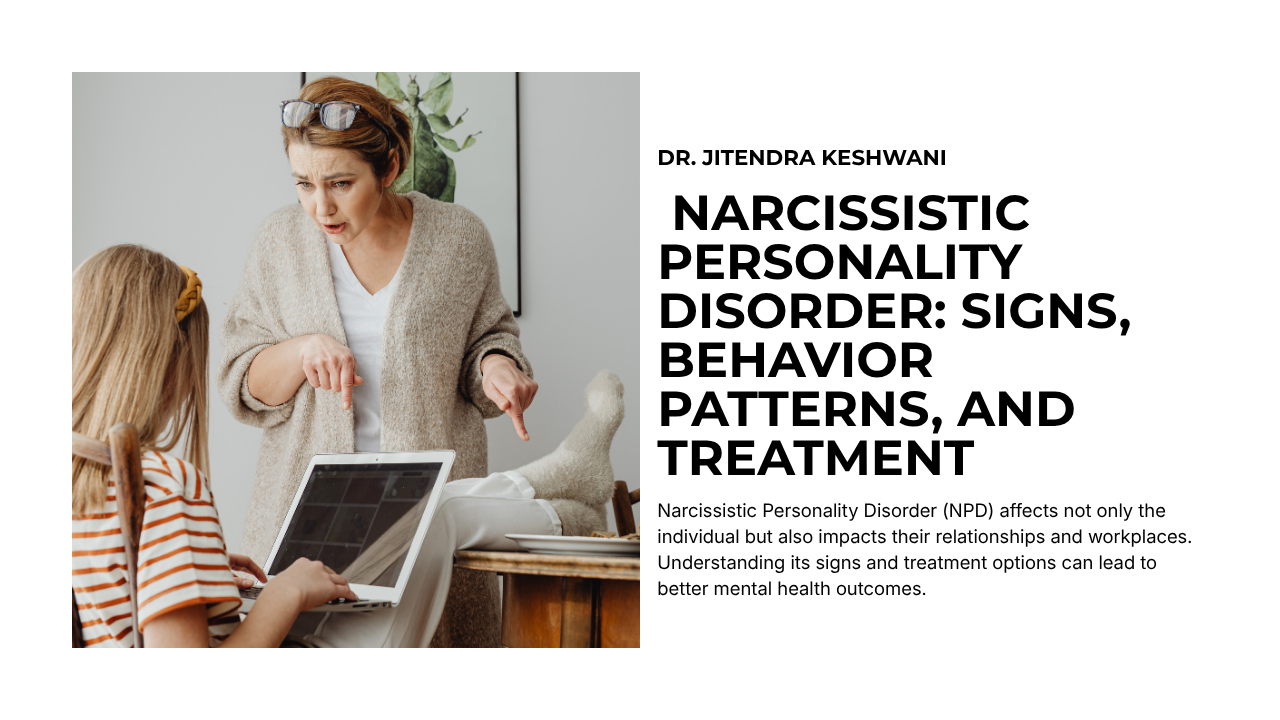
Understanding Narcissistic Personality Disorder
Narcissistic Personality Disorder (NPD) is a complex mental health condition that can significantly affect an individual's life, relationships, and workplace dynamics. It is characterized by a pervasive pattern of grandiosity, a constant need for admiration, and a lack of empathy. Understanding the signs, behavior patterns, and treatment options for NPD is crucial for those affected, as well as their families and coworkers.
Signs of Narcissistic Personality Disorder
Identifying NPD can be challenging due to its subtle manifestations. Here are some common signs:
- Exaggerated sense of self-importance: Individuals with NPD often believe they are superior to others and expect to be recognized as such, even without achievements that warrant it.
- Constant need for admiration: They require excessive attention and admiration from others to maintain their self-esteem.
- Lack of empathy: A profound inability to recognize or identify with the feelings and needs of others is a hallmark of NPD.
- Belief in uniqueness: They often think that they are unique and can only be understood by other special or high-status people.
- Exploitation of others: Narcissists may take advantage of others to achieve their own goals, often without remorse.
- Envy of others: They frequently feel envious of others or believe that others are envious of them.
Behavior Patterns of Individuals with NPD
The behaviors exhibited by individuals with Narcissistic Personality Disorder can create significant challenges in personal and professional relationships. Some common behavior patterns include:
- Defensiveness: They often react negatively to criticism, perceiving it as a personal attack.
- Superficial charm: Narcissists can be charismatic, drawing people in with initial charm before their true nature becomes apparent.
- Manipulative tactics: They may use manipulation to control situations or people to maintain their self-image.
- Emotional volatility: Individuals with NPD may exhibit mood swings, reacting strongly to perceived slights or failures.
- Isolation of others: They may isolate their partners or friends from others to maintain control and ensure loyalty.
Treatment Options for Narcissistic Personality Disorder
Treatment for NPD can be complex, as individuals may not recognize their behavior as problematic or seek help willingly. However, effective treatment options are available:
- Psychotherapy: Talk therapy, especially cognitive-behavioral therapy (CBT) or dialectical behavior therapy (DBT), can help individuals recognize harmful patterns and develop healthier coping strategies.
- Group therapy: Participating in group therapy can provide individuals with feedback from peers and foster greater empathy.
- Medication: While there are no specific medications for NPD, antidepressants or anti-anxiety medications may help alleviate symptoms of depression or anxiety that often accompany the disorder.
- Support for family members: Education and support for family members can be beneficial, helping them understand the condition and develop strategies for interacting with their loved one.
Benefits of Understanding NPD for Businesses
For businesses and organizations, recognizing and understanding Narcissistic Personality Disorder in the workplace can lead to improved employee relations and productivity. Here are some benefits:
- Enhanced Communication: Understanding the signs of NPD can facilitate better communication strategies when dealing with affected individuals.
- Improved Team Dynamics: Recognizing narcissistic behaviors can help team members navigate conflicts and foster a more collaborative environment.
- Increased Employee Well-being: Offering mental health resources, such as access to specialists like those at Dr. Keshwani's Mind Care Clinic, can help employees struggling with NPD or its effects on their work life.
Conclusion
Narcissistic Personality Disorder is a serious condition that requires understanding, empathy, and appropriate treatment. By recognizing the signs and behaviors associated with NPD, individuals and organizations can foster healthier relationships and environments. If you or someone you know is struggling with NPD, professional help is available. At Dr. Keshwani's Mind Care Clinic, we provide comprehensive mental health services tailored to meet individual needs, including specialized care for personality disorders. Reach out today for support and guidance.