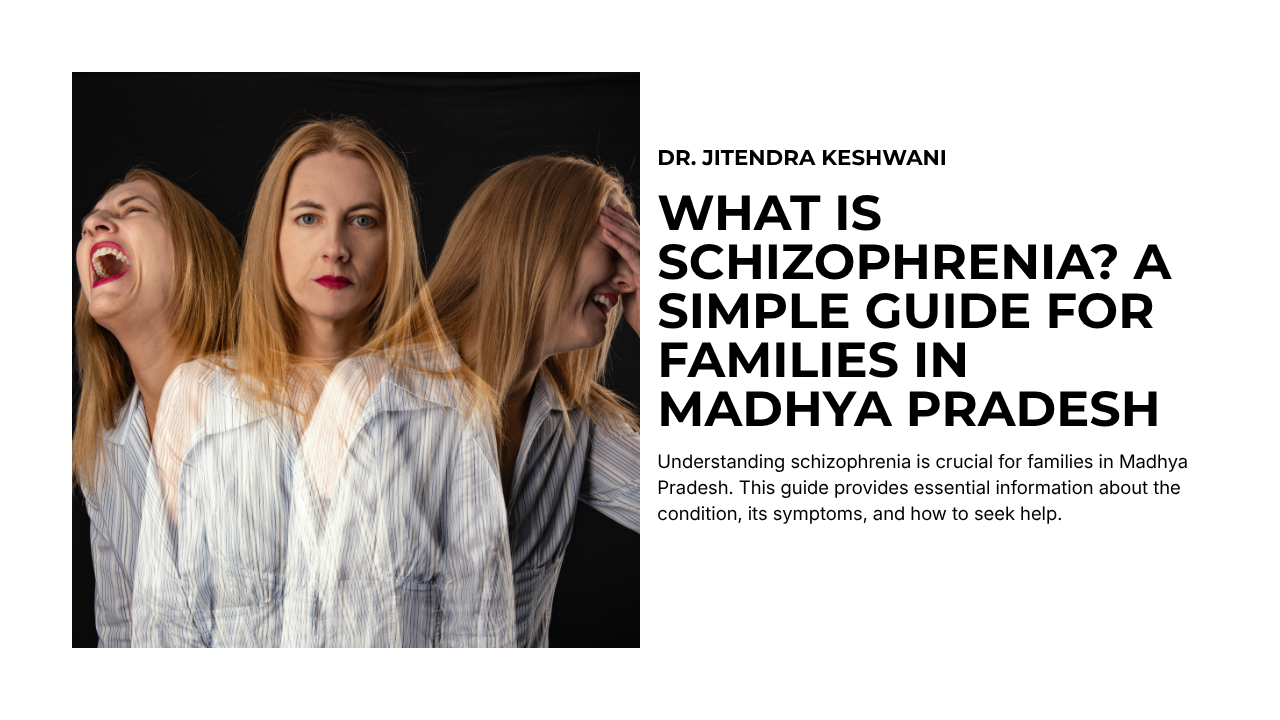
Understanding Schizophrenia
Schizophrenia is a complex mental health disorder that affects how a person thinks, feels, and behaves. It is often characterized by episodes of psychosis, which may include hallucinations and delusions. For families in Madhya Pradesh, understanding this condition is paramount in providing support to affected individuals.
Common Symptoms of Schizophrenia
Symptoms of schizophrenia can vary widely among individuals, but they generally fall into three categories: positive, negative, and cognitive symptoms.
- Positive Symptoms: These include hallucinations (hearing or seeing things that are not present), delusions (strong beliefs in things that are not based in reality), and thought disorders.
- Negative Symptoms: These symptoms involve a decrease in the ability to function normally, including lack of motivation, withdrawal from social activities, and emotional flatness.
- Cognitive Symptoms: Individuals may experience difficulties with attention, memory, and decision-making, which can affect their daily life.
Causes and Risk Factors
The exact cause of schizophrenia is not fully understood, but it is believed to be a combination of genetic, brain chemistry, and environmental factors. Some risk factors include:
- Family history of schizophrenia or other mental health disorders.
- Imbalances in brain chemicals, such as dopamine and glutamate.
- Environmental stressors during critical brain development periods, such as prenatal exposure to infections or malnutrition.
Diagnosis of Schizophrenia
Diagnosing schizophrenia typically involves a thorough evaluation, including a physical exam, interviews, and psychological assessments. Mental health professionals, such as those at Dr. Keshwani's Mind Care Clinic in Indore, play a critical role in providing accurate diagnoses and developing treatment plans.
Treatment Options
Treatment for schizophrenia usually involves a combination of medication and therapy. Common treatment options include:
- Antipsychotic Medications: These are often prescribed to manage symptoms and reduce the frequency and severity of psychotic episodes.
- Psychotherapy: Cognitive Behavioral Therapy (CBT) and supportive therapy can help individuals cope with their symptoms and improve their daily functioning.
- Family Therapy: Involving family members in treatment can enhance understanding and support, which is vital for recovery.
Supporting a Loved One with Schizophrenia
Families play an essential role in the recovery of individuals with schizophrenia. Here are some strategies to provide effective support:
- Educate Yourself: Learn about schizophrenia to better understand what your loved one is experiencing.
- Encourage Treatment: Support your loved one in seeking professional help and adhering to treatment plans.
- Be Patient: Recovery can be a long process. Show compassion and patience as your loved one navigates their journey.
When to Seek Help
If you notice symptoms of schizophrenia in a family member or loved one, it is crucial to seek professional help promptly. Early intervention can significantly improve outcomes. Dr. Keshwani's Mind Care Clinic offers comprehensive services for individuals dealing with schizophrenia and other mental health conditions. For more information, you can contact the clinic at +91 7880067789 or +91 9039602848.
Conclusion
Schizophrenia is a serious mental health condition that can be challenging for both individuals and their families. Understanding its symptoms, causes, and treatment options is essential for providing effective support. By fostering awareness and encouraging open communication, families in Madhya Pradesh can help their loved ones on their path to recovery. Remember, you are not alone, and support is available at Dr. Keshwani's Mind Care Clinic.